FORT INDIANTOWN GAP, Pa –
Soldiers from Public Health Command, East (PHC, East) recently completed a rigorous field training exercise (FTX) at Fort Indiantown Gap (FTIG), Pennsylvania, from Aug. 18-22. The exercise aimed to sharpen essential warfighter skills and validate the command's readiness for potential deployments, providing a crucial assessment of mission-essential tasks for the headquarters element.
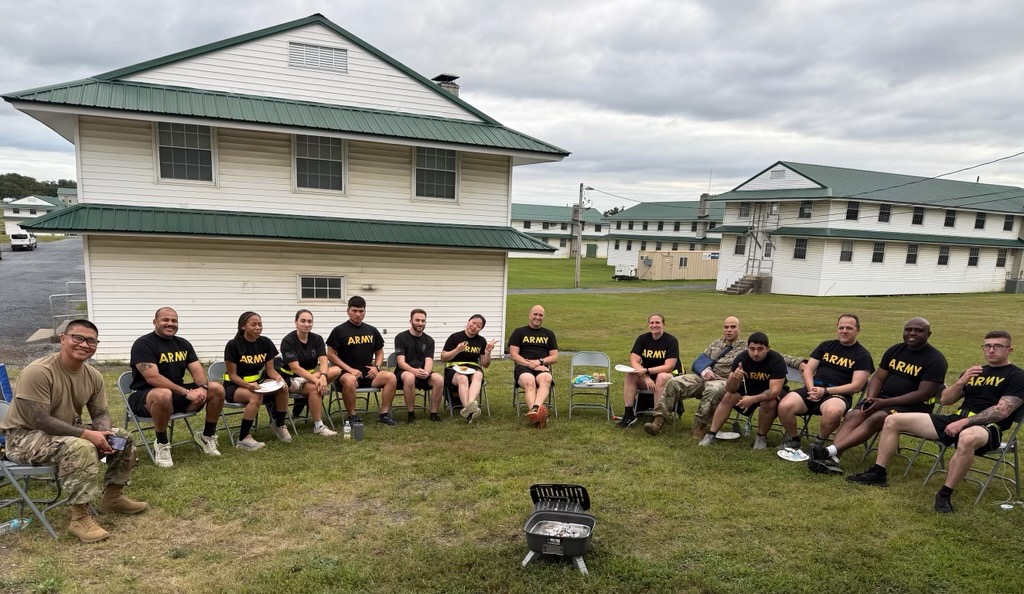
The five-day FTX, meticulously planned and executed under the direction of 1LT. Victor Rivas, officer in charge, and SGT. Ricardo Segura Balli, noncommissioned officer in charge, blended traditional military training with innovative approaches to leadership development and morale building. Soldiers were challenged to operate effectively in simulated combat conditions, testing core competencies such as mission planning, execution and communication, all while navigating the realistic terrain and environmental conditions of FTIG.
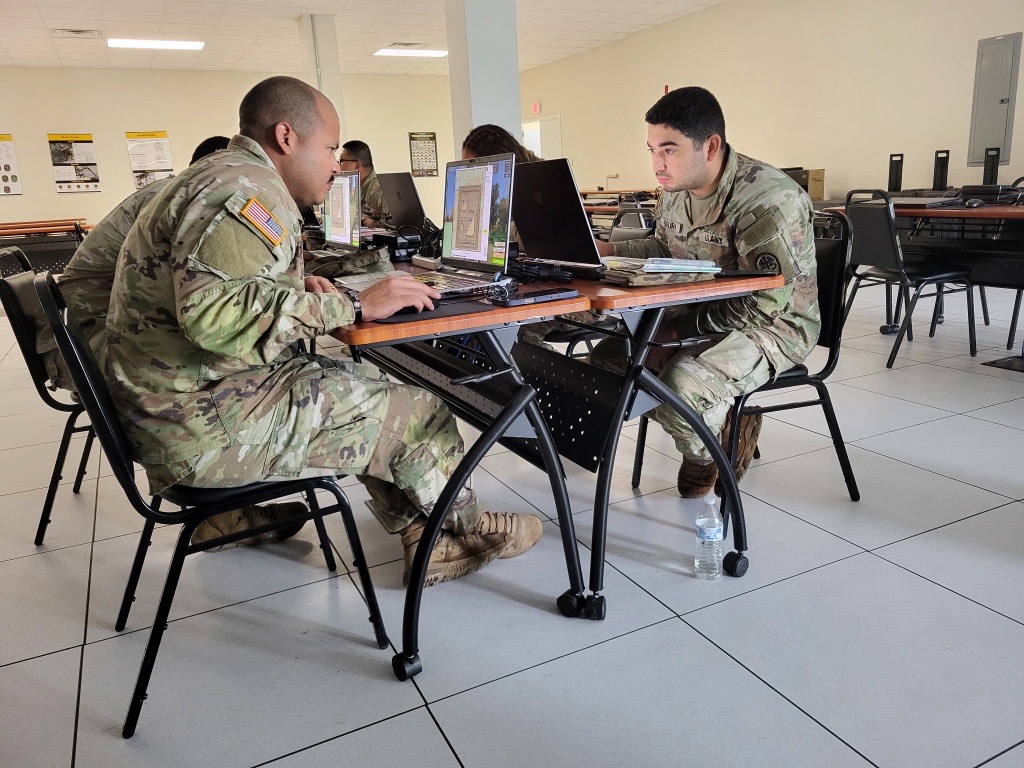
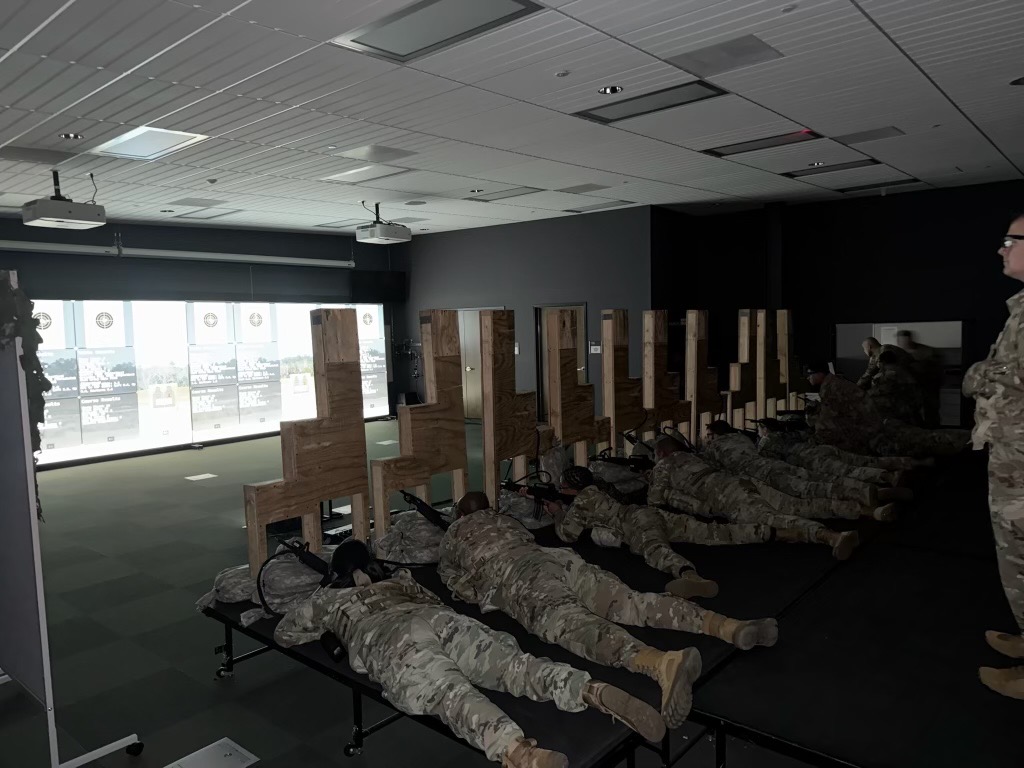
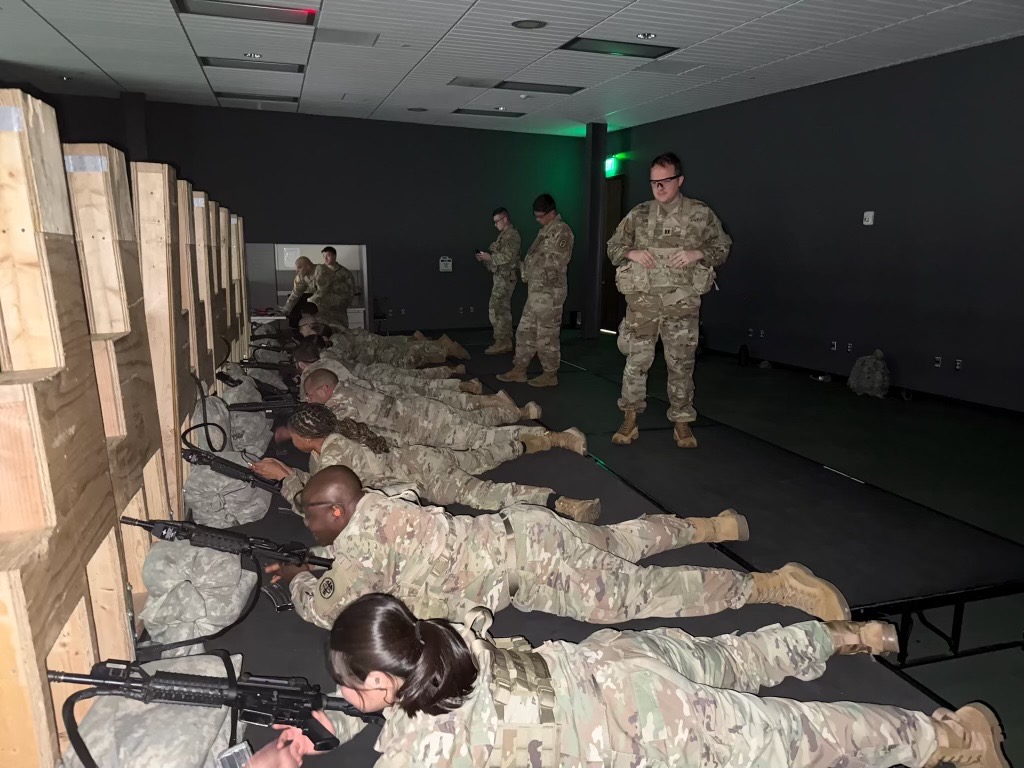
The training schedule was structured to build skills progressively, moving from individual proficiencies to collective tasks. The exercise commenced with establishing a logistical base and weapons qualification utilizing the Engagement Skills Trainer (EST). Subsequent days involved intensive Medical Skills Training Course (MSTC) training, emphasizing critical medical interventions, alongside comprehensive Army Warrior Tasks (AWT) training, combining classroom instruction with practical application in realistic scenarios.
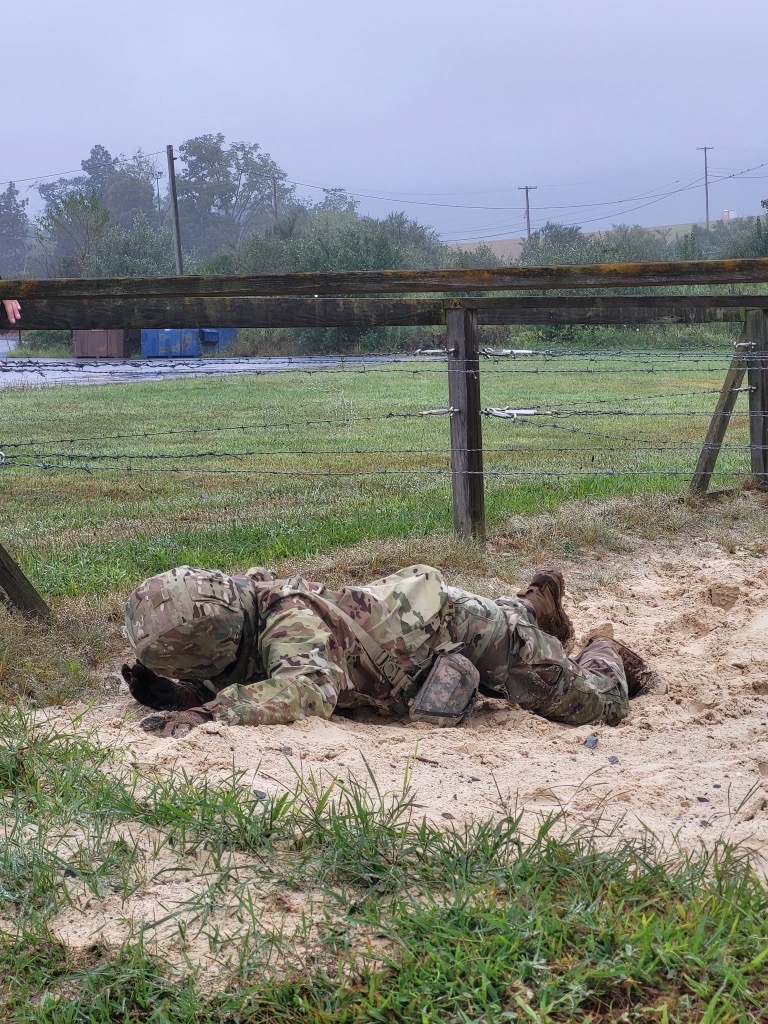
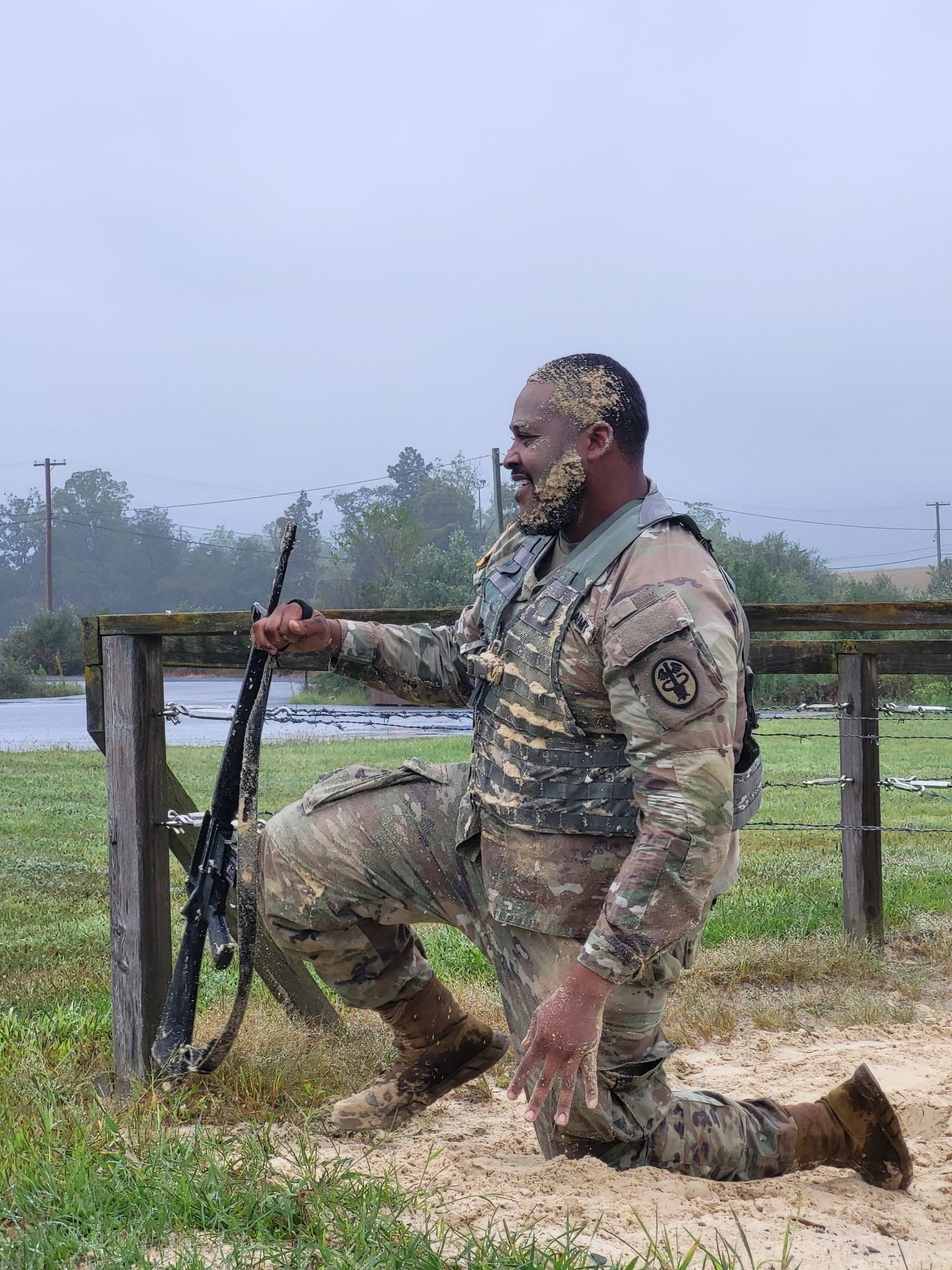
Adaptability was a recurring theme throughout the FTX. Inclement weather forced adjustments to training locations on day three, demonstrating the unit's ability to maintain momentum and achieve objectives despite unforeseen challenges. Land navigation training leveraged both virtual simulations and real-world exercises, enhancing soldiers' ability to navigate effectively in diverse environments. The final day focused on logistical tasks and a morale-boosting event designed to reinforce team cohesion.
Daily after-action reviews (AARs) proved invaluable, providing detailed feedback and insights for continuous improvement. A recurring theme emphasized the importance of meticulous planning and preparation. Recommendations stemming from the AARs included a call for improved preliminary marksmanship instruction (PMI), such as "dime drills," to enhance individual shooting proficiency. The MSTC highlighted the need for frequent, hands-on practice and readily accessible individual first aid kits (IFAKs).